
“Ogres have layers.” ~ Shrek
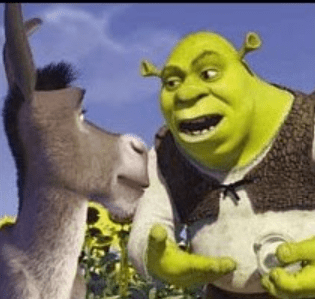
Story characters should have layers. Some details are revealed only in gut-wrenching moments with another character as they let their walls down, and others are never revealed to other characters, but drive motivation throughout the story.
You will probably not get all layers into your first/zero draft. Here’s how to approach layering in revisions of subsequent drafts. Consider: what, where, why, how
Note: All the examples below are in third person close POV, from the main character’s perspective.
WHAT
This layer is about how everyone sees the character. You’re describing the surface, the parts of the character shown to the world. This layer is filled with the physical and visible details. Very often, this is the most straight forward part of writing and ends up in most author’s zero drafts.
But, in case it doesn’t (a beta reader says “I have no idea what this guy looks like”), here are some things to add in: clothing, movement, manners, and speech.
She adjusted the collar of her blue top before she entered the bar. When her spike heel caught on the threshold, a firm hand caught her arm.
“No,” she blurted a moment before a throaty voice asked, “Are you alright?”
WHERE
This layer is about how the character fits (or doesn’t fit) in the world around them. It’s about how they fill (or don’t fill) expectations of others. These details are actually presented by adding the what to the characters around them — to demonstrate the main character is in sync (or not) with those around them. This one, because it is also very close to the surface, is handled in most author’s zero drafts.
Turning, Megan’s gaze took in the black band t-shirt and jeans of the dark-haired smiling butch lowering her hand from Megan’s arm. Oh, God, I’m overdressed. “Excuse me,” Megan said.
“Happy to catch you anytime.” The butch winked and smile widened. Megan caught a flash of teeth.
WHY
This layer is about interiority, the motivations for how they present themselves to the world in the other two layers. This information may only be given to the reader, and entirely hidden from the other characters, as internal thoughts. But this information can also come out to other characters in moments of vulnerability or growing intimacy. As an editor, I have found that most authors add only the most obvious moments to their zero draft, but missed opportunities can be identified and added when writing second, even third, drafts.
Megan straightened and stepped back. She shook her head. “No,” she repeated, raising her hands.
To her surprise the butch shrugged and said, “Suit yourself” before walking off.
HOW
Further under the WHY layer is the HOW. This layer will show how their motivations were born. The backstory of the disappointment, the failure, the wound they carry from a struggle. This layer may never make it onto the story page as anything but the vaguest half-thought or a nameless panic when a certain type of situation (or triggering bit of dialogue is heard), but you, the author, must know it is there, because it informs their why and bubbles up to how they present themselves for public consumption. The most frustrating part of writing the draft of a story is often when a backstory takes over the narrative (info dump) as flashbacks, dialogue dumps, and interiority monologues. The best strategy is to pull these OUT of the first draft, put them in a character file somewhere, and find the moments in the “present” story that echo, and add in a single line of interiority, dialogue, or reflection that shows how the early moment affected them so much.
Megan swallowed and walked to the bar to buy a drink, but her gaze followed the butch through the bar to the back where she fell in with a group around the pool tables. She may have jumped the gun. Her flash of Matty saying the same thing had made her rude, and she didn’t like what that might say about her. How could she start over if she was still this sensitive? Probably time to talk to her therapist again.
Happy writing!
~ Lara
Discover more from LZ Edits | Editing Services
Subscribe to get the latest posts sent to your email.
 LZ Edits | Editing Services