
I’ve been doing a great deal of developmental editing lately and that entails often pointing writers to examples or books that discuss strategies for whatever they’re struggling with. I thought I would share a few of my go-to reads for various kinds of writing help.
Help for structuring your plot
You know all the parts of a story, character, setting, plot, but there are dozens of ways to fit these pieces together to make your story stronger and more engaging. Depending on your genre, there are a great many specific guides out there, but here are a few I find are good for helping plot any story:


- K.M. Weiland’s Structuring Your Novel is based on her myriad blogs on the topic of story structure. It’s very readable and even available in audiobook.
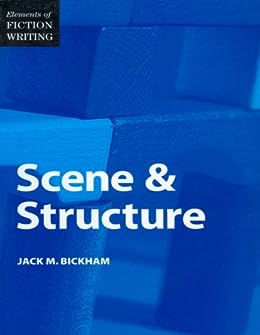
- Scene and Structure by Jack M. Bickham is my go-to reference for all advice about structuring scenes and stringing them together to make a story. It’s part of the Elements of Fiction Writing series produced by the writers magazine, Writer’s Digest.
- Beginnings, Middles, and Ends by Nancy Kress is another book in the Elements of Fiction Writing series born from the many columns and articles Kress wrote for Writer’s Digest, and her years as a creative writing instructor. It contains strategies for beginning your story and writing strong endings. But the most valuable advice I found is her strategic thinking about the middle, how to make the reader enjoy the sea full of challenges you keep throwing at your main character.

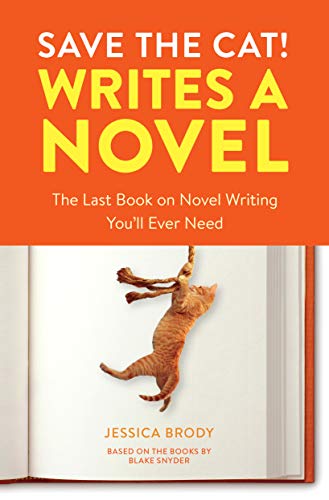
If you are still looking for help with a specific kind of genre story structure, check out Save the Cat Writes a Novel or Romancing the Beat. The first adapted the structure of screenplays to novel writing. Save the Cat does a good job of helping structure action-oriented novels, like fantasy adventure, thrillers, suspense or mystery. Romancing the Beat focuses very specifically on writing the romance novel, not the romance-adjacent, but the genre romance novel. Both are outline-oriented, around what is called “beats” and can be helpful if you’re one of those writers who needs a clear roadmap of where to move your characters emotionally to get them from the beginning to the end.
My advice
I prefer the more generalized discussions of plotting, ones that point to the way life works: a natural progression of cause and effect. I like plotting help that focuses the writer on establishing a character’s goals – the main character wants something and pursues it, with wins, draws, and losses along the way. My own strategy for guiding writers is generalized – all the way back to terms you may remember from English literature class: exposition, rising action, climax, falling action, and resolution. So much diversity is encompassable in these general terms, IMHO.

My self-editing guide walks writers through analysis of their own story structure, using understanding of this structure to strengthen and improve each part. I based my process off the beta reading and book coaching that I’ve done for almost 20 years. One guide reader likened it to having my voice in their head just like in our writers chats and workshops over the years.
My Build-A-Book workshop (new class forming soon!) is also organized around this structure. Over the eight weeks, you’ll build a story by walking through very specific dramatic points and character-driven decisions and actions. I developed it for both plotters and pantsers, and to be less frenetic than NaNoWriMo.
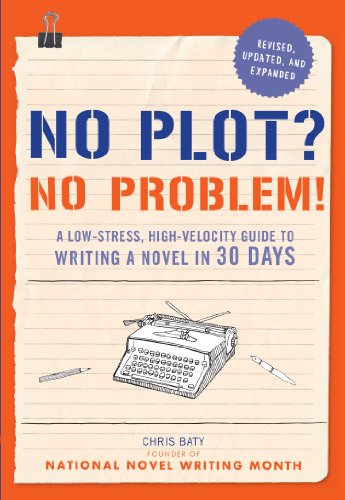
Speaking of NaNoWriMo, I find the book by Chris Baty, No Plot, No Problem, to be an excellent quick read with actionable advice for rapidly starting your story-writing journey.
Whatever advice you choose to follow, happy writing! And let’s see those stories!
~ Lara
Discover more from LZ Edits | Editing Services
Subscribe to get the latest posts sent to your email.
 LZ Edits | Editing Services